


By April Thomas Whitney
When we travel or carve out time to recharge, it’s natural to look for ways to feel better—body, mind, and spirit. But the wellness world is vast and ever-changing, filled with ancient traditions, new technologies, and more than a few buzzwords.
The word wellness itself can trigger all kinds of reactions. For some, it means rest and rejuvenation. For others, it conjures trends, gimmicks, and expensive promises. But behind the buzzwords lies a booming industry that’s not slowing down anytime soon.
According to the Global Wellness Institute, the U.S. wellness economy has grown nearly 40 percent since 2019, and Americans now spend a staggering $300 billion each year on wellness tourism, taking more than 200 million wellness trips annually. The United States also leads the world in wellness innovation—from fitness programs and nutrition breakthroughs to sensory therapies, recovery tools, and mind-body treatments designed to help people feel better, live longer, and move through life with more balance.
In McCall, wellness doesn’t have to mean chasing trends or tracking data. Here, it’s often found in simpler moments — soaking in a natural hot spring, breathing crisp mountain air, or finding stillness in a snow-covered forest. But even those experiences have some fascinating science behind them.
In this guide, we’ll take a closer look at some of the wellness experiences you can explore in and around McCall—everything from sound and vibrational therapy to Reiki, massage, yoga, Pilates, and spa or med-spa treatments. Some of these practices are centuries old, others are cutting-edge, and many blend both worlds. We’ll also touch on what the science says—where solid research supports the claims, and where the benefits are more about personal experience and finding what works for you.
Nature’s Elixir: The Healing Power of the Outdoors
Believe it or not, simply spending time in a mountain environment like ours can have measurable benefits for your mental and physical well-being. Scientists are finding that time in nature can lower blood pressure, reduce stress hormones, and even strengthen the immune system.
One of the best-known nature-based practices, forest bathing (or Shinrin-yoku), began in Japan in the 1980s as a simple way to ease stress and reconnect with the natural world. The idea is to step away from screens and schedules and spend unhurried time outdoors — breathing deeply, moving slowly, and noticing your surroundings.
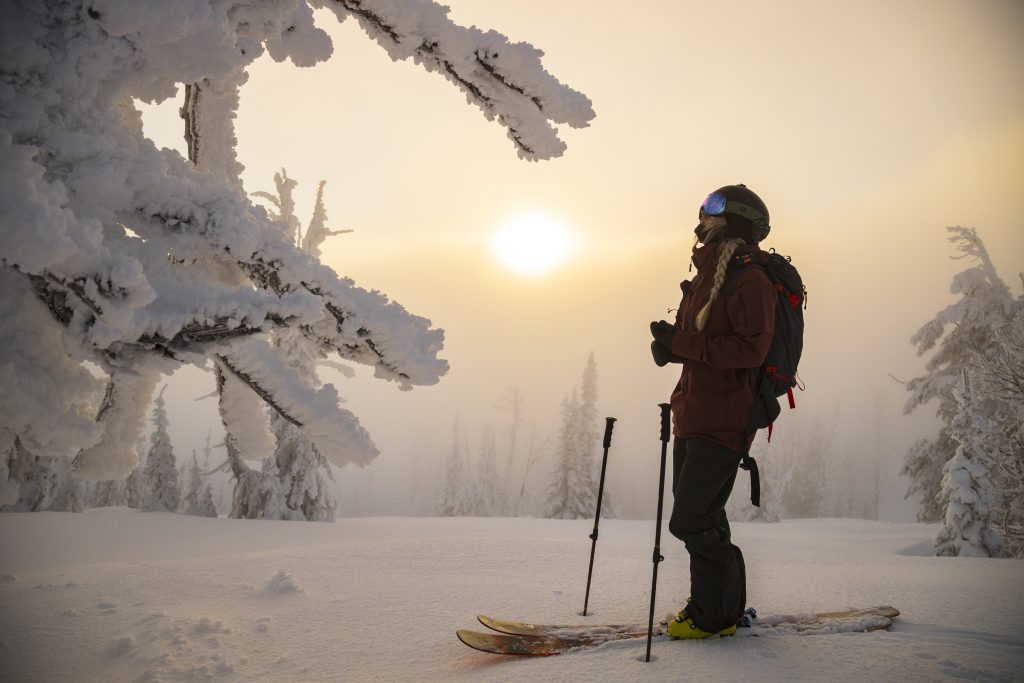
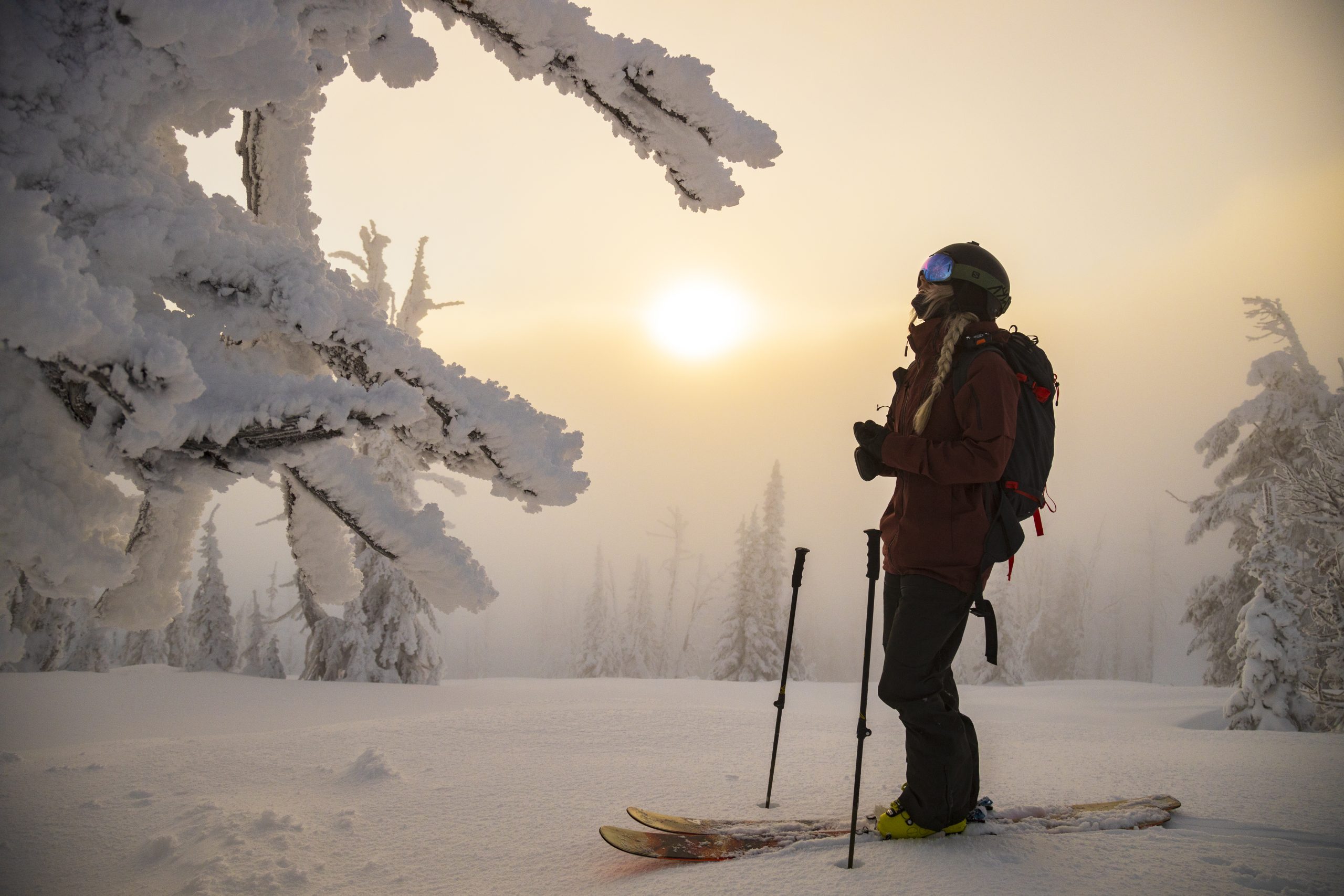
Picture a peaceful McCall snowshoe trek through a quiet forest, where you notice the sparkle of snow on tree branches, the sound of your steps, and the crisp air filling your lungs. That kind of mindful attention helps your body relax and your mind unwind.
Psychologists Rachel and Stephen Kaplan developed the Attention Restoration Theory (ART) to explain why. They found that natural environments provide what they call “soft fascination”. Gentle, effortless stimuli like shifting clouds, rustling branches, or the crunch of boots in snow allow your brain’s directed-attention system to rest and recharge, improving your mood and concentration long after you’ve returned indoors.
The benefits of nature grow even stronger when you add movement. Whether it’s a quiet loop through the woods or a bluebird day on the slopes, picking up the pace a bit turns those calming effects into what researchers call “green exercise.”
In the 2023 ANKER-study, researchers compared mountain hiking with forest therapy and found that both improved mental well-being. Hikers gained additional cardiovascular benefits, while everyone reported feeling happier and less stressed after time in nature.
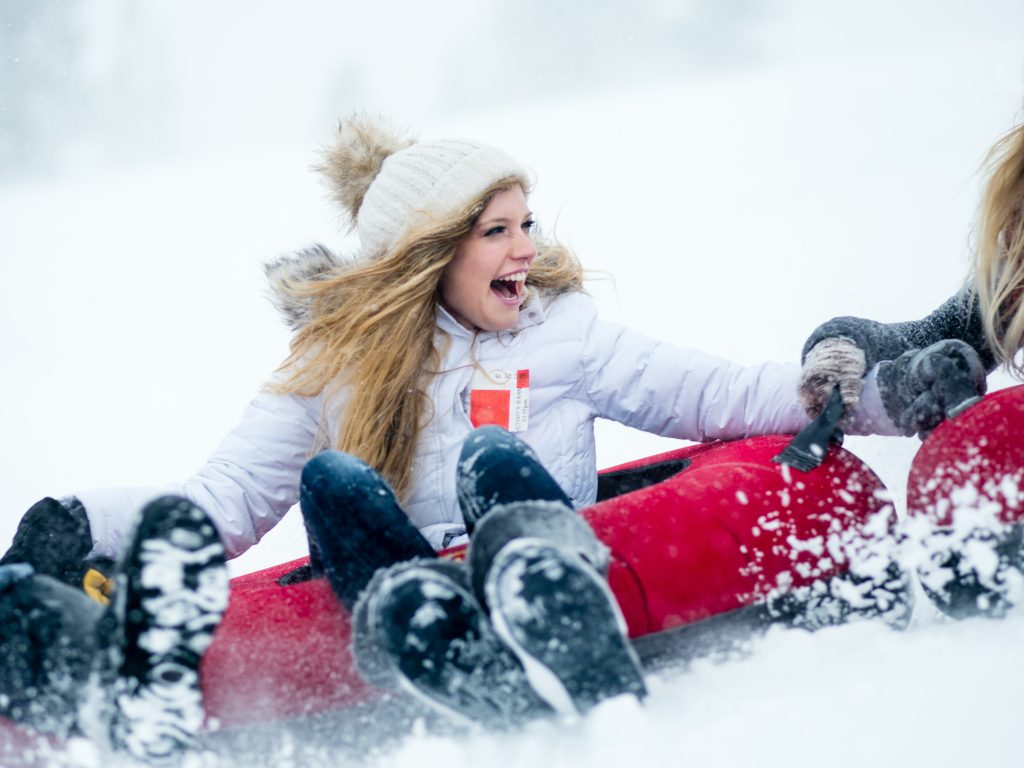
There’s also something powerful about feeling connected to the natural world. Sharing a McCall ski day with friends, pausing to watch falling snow, or simply taking a deep breath in the cold mountain air can spark feelings of awe, gratitude, and belonging. People who feel more in tune with nature tend to experience even greater wellness benefits. That’s proof that sometimes the simplest moments outdoors can do the most good.
Drawing from a Deeper Well: Sound and Energy Healing
While McCall may be a small mountain town, its well of wellness practitioners runs deep. Here, you’ll find an impressive range of healing arts, from massage and energy work to sound, movement, and meditation therapies, all grounded in the same mountain calm that draws visitors year after year.
Sound and Vibrational Therapy
Sound and meditation have been intertwined for thousands of years. From Aboriginal healers playing the didgeridoo more than 40,000 years ago to Tibetan monks using singing bowls in sacred rituals, cultures around the world have long understood that sound can calm the mind and restore balance. Today, those same principles live on in modern sound baths, where instruments such as crystal and metal bowls, gongs, and chimes create waves of tone and vibration that both ground and uplift the listener.
Modern science is starting to catch up with what ancient traditions already knew. A review of more than 400 published studies on “music as medicine” found strong evidence that sound can boost mood, reduce stress, and even ease physical pain—especially rhythmic sound, which appears to influence the body on a deeper level (Psychology Today, 2019). Another study in the Journal of Evidence-Based Integrative Medicine found that just one hour of sound meditation lowered tension, anger, fatigue, anxiety, and depression while increasing spiritual well-being. Interestingly, newcomers to sound meditation saw even greater reductions in stress than those who had practiced before.
Urban Calm Wellness Collective
That tracks with my personal experience when I stepped into The Loft at Urban Calm Wellness Collective this past fall, just a month after losing my husband to an aggressive and unrelenting form of cancer. My grief was heavy, my nervous system was frayed, and my usual self-care routines—yoga, walking in the woods—weren’t working the way they once did.
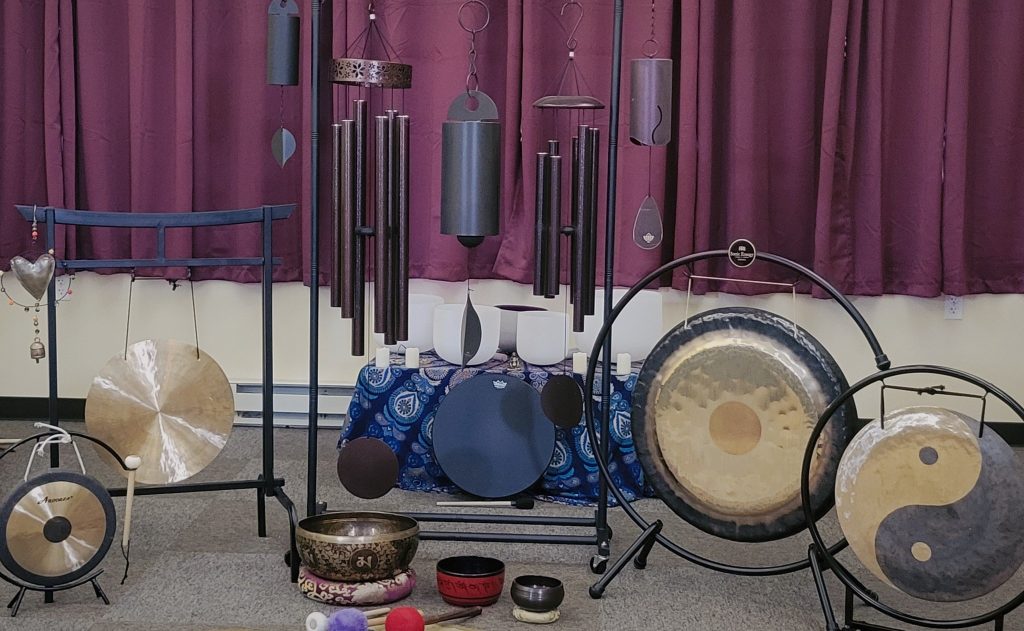
I treated myself to a massage, which helped a little, but the tension between my shoulders was unrelenting — I couldn’t take a full breath. Emotionally, I was willing to try anything. Intellectually, I wanted something supported by science.
Lynn Johnson, a certified practitioner of healing arts, welcomed me with gentle warmth. She knew I needed a safe space to release my grief and began to ease me into relaxation, circling me with scents and sounds and drawing from her vast toolbox of therapies.
“Your heart needed to be held,” Lynn told me a few days later. “And that’s just what we did. I didn’t work on any other area—only your heart.”
Each session at Urban Calm is unique and tailored specifically to the participant’s individual needs.
“You pull from your toolbox and say, ‘Okay, what are we going to play with today? How can we vibrate? How can we bring that vibration back up so the person feels better in body, mind, and spirit?’” Lynn says.
“It’s kind of hard to advertise that in a way people understand,” she adds. “This is a customized experience. It may include aroma-touch therapy, Reiki, or sound therapy—or a blend of them all.”
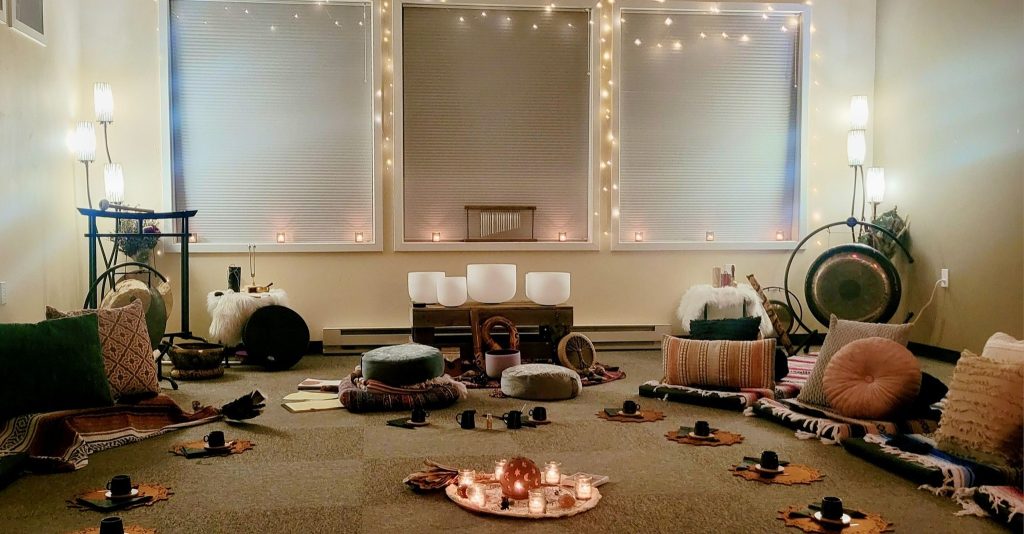
The experience struck all the right notes. The soothing vibrations and circle of energy in that space instilled an immediate sense of calm. By the end, I could breathe much easier and once again access the upper part of my breath. But what surprised me most was the physical effect: the sound somehow penetrated my tightly bound fascia, and a series of subtle muscle releases continued over the next 48 hours. It was like getting a deep-tissue massage, over and over, without the soreness.
That’s the beauty of this practice: it’s simple and low risk. Participants lie down, close their eyes, and let the sound do the work. Researchers believe vibrational frequencies may help calm the nervous system, lower heart rate, and shift brain waves into a meditative, parasympathetic state.
While sound is at the heart of Lynn’s work, her colleagues at the Urban Calm Wellness Collective each specialize in different forms of healing—from movement and breathwork to Reiki, biophoton therapy, Gene Keys guidance, stone and mineral medicine, and even hypnosis. The collective’s approach encourages exploration, meeting people where they are on their individual wellness journeys.
Urban Calm also offers workshops and group sessions, a great first step for those new to these practices.
“When I was on my journey, I felt really lonely,” says Urban Calm founder and practitioner Jeni Titus. “Like nobody saw me or knew what I was going through. But in those group experiences, you start hearing stories that sound like your own. You realize you share more similarities than differences—and you can harness the collective energy the group brings.”
“Wellness is also about connection,” Lynn Johnson adds. “Our society is craving that. We’re starved for real connection. I think it’s time we find our way back to each other—and spaces like this are a good start.”
Urban Calm Wellness Collective
www.urbancalmlife.com
Soak it In: The Science of Hot Water Healing
There’s nothing quite like sinking into warm water after a long day of winter adventures — and it turns out, science agrees. Whether it’s a spa tub or a natural hot spring, research shows that soaking in hot water offers real, measurable benefits for your body and mind.
Circulation, Heart Health & Muscle Recovery
When you slide into warm water, your blood vessels open up and circulation improves. That extra blood flow helps lower blood pressure, ease muscle tension, and speed up recovery after exercise.
“Hot-water immersion can mimic some of the same cardiovascular benefits as light exercise.”
— University of Oregon, 2023
Regular soaking — sometimes called passive heat therapy — has been linked to improved vascular function and reduced inflammation, key markers of heart health.
Stress Relief & Better Sleep
Warm water naturally soothes the nervous system, helping the body shift into a relaxed “rest and digest” mode. Soaking reduces stress hormones like cortisol and quiets a busy mind.
A review in Complementary Therapies in Medicine found that hydrotherapy can ease symptoms of anxiety and depression. Another study published by the National Institutes of Health reported that a warm bath before bed improves sleep quality by helping the body cool down naturally afterward — a key trigger for deep sleep.
Pain, Stiffness & Sore Joints
Doctors have prescribed warm-water therapy for centuries to help ease arthritis and chronic pain. The buoyancy of water takes pressure off joints, while heat relaxes tight muscles and improves flexibility.
Clinical trials in The Journal of Rheumatology show that hydrotherapy can reduce joint pain and improve mobility in arthritis patients. It’s also a favorite tool for physical therapists helping people recover after injuries or surgery.
Skin, Minerals & Natural Springs
Soaking in mineral-rich McCall hot springs — a practice known as balneotherapy — adds another layer of healing. Springs high in magnesium, calcium, sulfur, or silica can soothe the skin and may even promote healing.
A study in Scientific Reports found that Japanese hot-spring bathing improved gut microbiome balance, while animal studies published in Frontiers in Physiology showed faster wound healing from alkaline thermal waters.
A Natural Reset
Beyond the biology, there’s something profoundly grounding about soaking in nature. The combination of warm water, mountain air, and quiet scenery triggers a full-body sense of calm. It’s not just relaxation — it’s a natural reset for body and mind.
Practical Tips for Hot Water Wellness
Keep it warm, not scalding.
Ideal water temperature: 100–104°F (38–40°C). Hotter can raise heart rate or cause dizziness.
Limit your time.
Start with 15–20 minutes, then cool off. Short, consistent soaks work best.
Stay hydrated.
You’ll sweat more than you realize. Bring water and sip between dips.
Move mindfully.
Gentle stretching or floating relieves stiffness and boosts mobility.
Listen to your body.
If you feel lightheaded or flushed, take a break.
Check your health.
If you’re pregnant or have heart or blood pressure issues, check with your doctor first.
Mind the minerals.
Rinse off after natural soaks, especially if you have sensitive skin or small cuts.
Leave no trace.
At wild hot springs, protect the ecosystem: stay on established paths, skip soaps or oils, pack out everything you pack in, and leave pools as pristine as you found them.
Where to Go for A Soak
Gold Fork Hot Springs – Near Donnelly
www.goldforkhotsprings.com
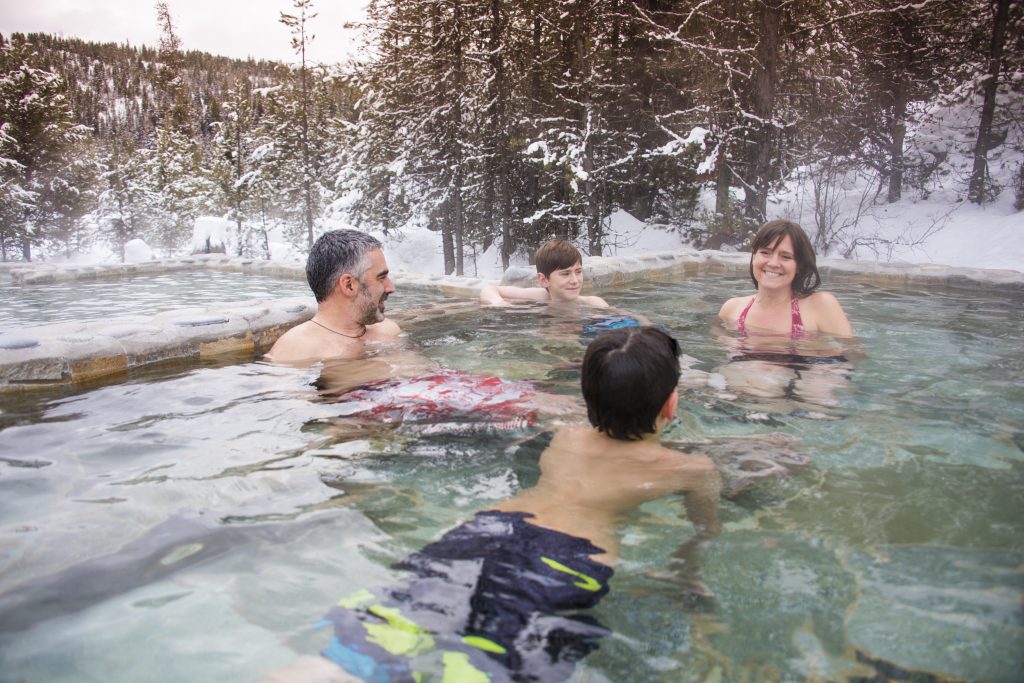
Six crystal clear pools offer a perfect setting for a family soak. The top pool starts with 110 degree water which spills down into each subsequent pool, the temperature cooling with each tier. One pool offers a sandy bottom with shallow water perfect for the little ones.
Burgdorf Hot Springs – Near Warren
www.burgdorfhotsprings.com
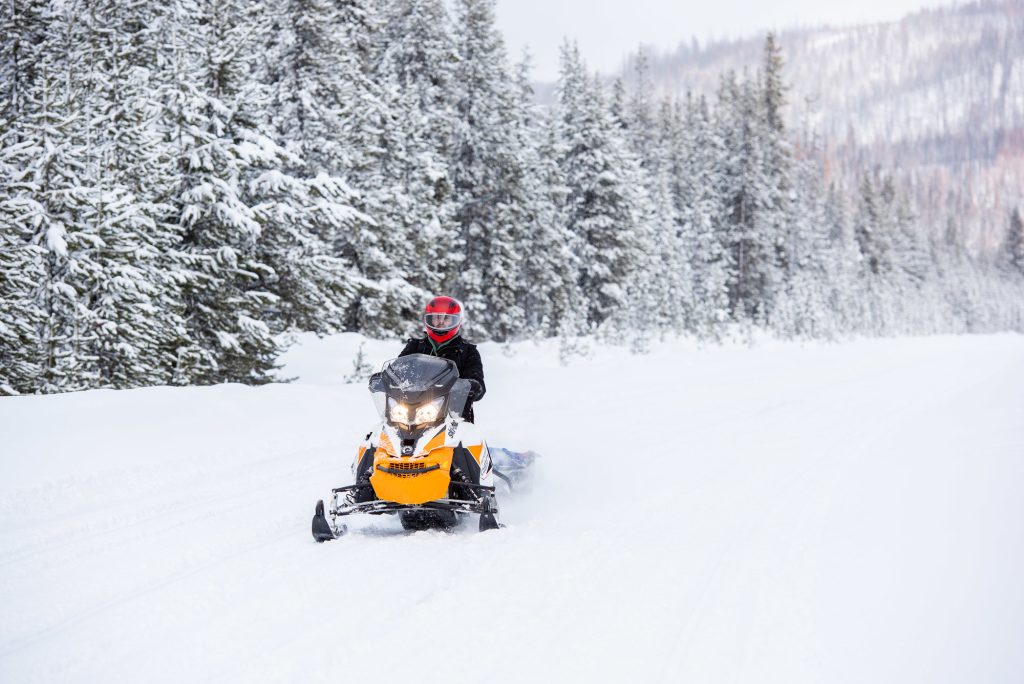
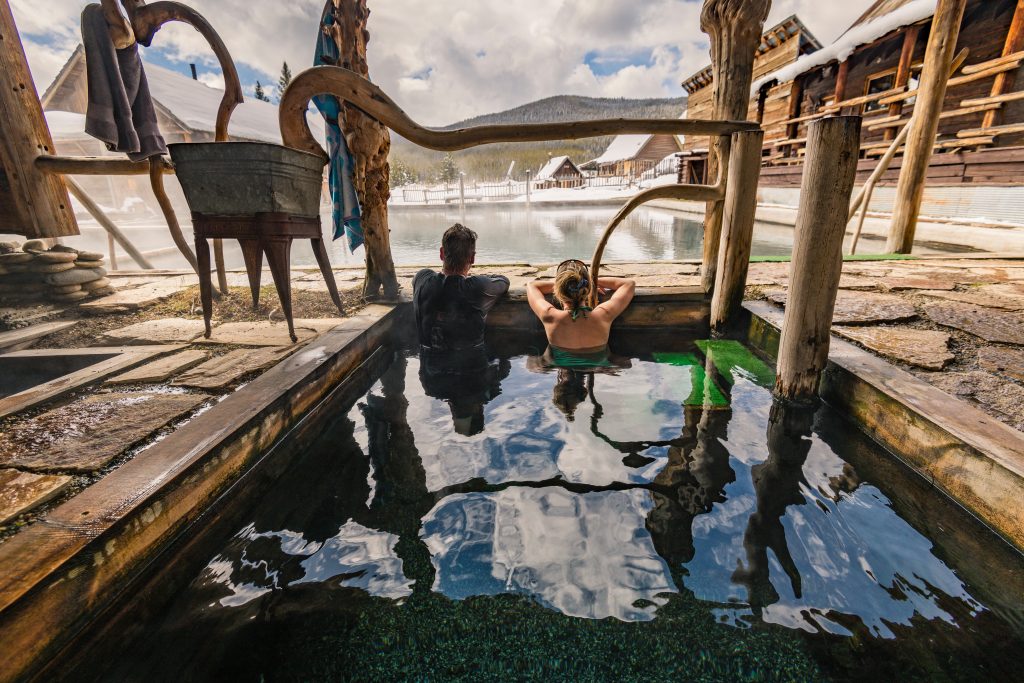
Step back in time at this rustic resort surrounded by the Payette National Forest. Natural mineral water flows into large sandy-bottom pool about five feet deep. You can also enjoy two small “hot pools,” a shallow area for the kids and a bathtub for one overlooking a meadow. Open year round, but accessible only by snowmobile in the winter.
Mundo Hot Springs – Cambridge
www.mundohotsprings.com
Set along the Weiser River three miles north of Cambridge, Mundo Hot Springs is a natural mineral hot springs that feeds into a beautifully hardscaped pool and spa. An entry ramp provides wheelchair access to the pool which is temperature controlled to keep soakers happy in any season.
Zim’s Hot Springs – New Meadows
www.zimshotsprings.com
Located just outside of New Meadows, Zim’s Hot Springs offers a family-friendly soak in natural mineral water sourced from an underground spring. The main pool and adjacent hot tub are both temperature controlled and perfect for a relaxing dip year-round. Operated by the Nez Perce Tribe, the facility includes changing rooms, a snack bar, and picnic areas.
Trail Creek (Primitive) Hot Springs – Near Warm Lake
Two rock and sand soaking pools are situated at the bottom of Trail Creek just off the paved road. Hot water flows from a fissure in the rocks and down to the pools along the creek. Cold creek water helps to control the temperature of the pools. The 60 foot access trail is steep and often slippery, so be prepared for a scramble.
To safely explore more of the area’s primitive hot springs, stop by our local sporting goods stores to pick up a guidebook.
Strength, Stillness, and Self-Care: Massage, Yoga and Pilates
After you’ve soaked your muscles and quieted your mind, the next step toward whole-body wellness is movement and touch. Massage, yoga, and Pilates each help the body find balance in its own way, by releasing tension, restoring alignment, and strengthening from within.
The Science of Movement and Touch
Modern research continues to validate what ancient practices have taught for centuries: mindful movement and therapeutic touch are powerful tools for health.
Massage therapy has been shown to reduce muscle tension, improve circulation, lower blood pressure, and calm the nervous system, according to the Mayo Clinic. Studies also show that massage can lessen symptoms of anxiety and depression (American Massage Therapy Association, 2022) and even serve as a complementary treatment for chronic back pain and musculoskeletal issues (American Journal of Medicine, 2022).
Yoga and Pilates offer similar mind-body benefits. Both improve flexibility, posture, and core strength (BioMed Central Sports Science & Rehabilitation, 2024) while promoting stress reduction and emotional balance (National Library of Medicine, 2021). Regular practice has also been linked to better sleep and mood, and Pilates in particular has shown promise for relieving back pain and improving spinal alignment (BMC Sports Science, Medicine & Rehabilitation, 2024).
Where to Go:
Simply Be Massage
www.simplybemassage.com
At Simply Be Massage, relaxation and recovery go hand in hand. The experienced therapists offer a full range of techniques—from Swedish and deep-tissue work to therapeutic and specialty treatments—each customized to release tension and restore balance. Whether you’re recovering from a day on the slopes or simply craving calm, their approach blends physical relief with deep relaxation for body and mind.
Headwaters Yoga
www.headwatersyoga.com
Headwaters Yoga is a community-minded studio offering classes for every level, from restorative and gentle yoga to invigorating flow sessions. Each class encourages mindful breathing and body awareness, helping participants build strength while easing stress. The welcoming atmosphere makes it easy to slow down, tune in, and reconnect—no matter where you are on your wellness journey.
Gather Pilates & Holistic Wellness
www.gatherpilates.com
Gather Pilates helps clients feel strong, confident, and centered—both inside and out. Sessions emphasize posture, alignment, and mindful movement that supports everyday life. In addition to Pilates, the studio offers Ayurvedic services designed to nurture the whole person, promoting balance, resilience, and lasting well-being. Each class and treatment is tailored to meet clients where they are, creating space to move with ease and feel genuinely at home in their bodies.
Whole-Body Healing: Holistic and Naturopathic Medicine
Holistic and naturopathic medicine focus on treating the whole person—mind, body, and spirit—rather than just symptoms. The goal is prevention and long-term well-being, often through lifestyle changes in nutrition, movement, and stress management. Practitioners design individualized wellness plans that may blend traditional medical care with complementary therapies like massage, yoga, or acupuncture.
These approaches rest on the idea that everything is connected: mental and emotional health influence physical health, and vice versa. Scientific studies continue to support this integrative approach—showing, for example, that mindfulness and yoga can lower stress hormones and improve immune function, and that nutrition and quality sleep play key roles in preventing chronic disease. Cognitive Behavioral Therapy (CBT) and other mind-body methods have even been shown to rival medication for some types of pain and mood disorders (National Institutes of Health, 2022).
Where to Go:
Brandy Solace, Solace Medicine
www.solacemedicine.com
At Solace Medicine, Nurse Practitioner Brandy Solace takes a functional approach to health, helping patients uncover and address root causes rather than chase symptoms. Her personalized care often includes hormone and thyroid balancing, gut health support, and tailored nutrition plans designed to restore energy and vitality.
Deanna Clausen, Whole Mountain Health
https://wholemountainhealth.com/Whole Mountain Health blends traditional naturopathic medicine with lifestyle coaching to create holistic treatment plans. Dr. Deanna Clausen focuses on prevention and balance—using nutrition, botanical medicine, and diagnostic testing to help clients optimize their overall wellness.
Two Rivers Health & Wellness
www.tworivershealthwellness.com
At Two Rivers Health & Wellness, care begins with a detailed consultation that considers the whole person: physical, emotional, and environmental factors alike. The clinic’s naturopathic team offers personalized programs that may include homeopathy, nutritional guidance, detoxification, and other natural therapies to promote long-term well-being.
Restore and Recharge: Spas, Med Spas, and Fitness Studios
For those who prefer their wellness with a side of luxury—or a burst of endorphins—McCall offers a range of spa and fitness experiences that complement the area’s natural calm.
The Cove at Shore Lodge
shorelodge.com/spa
Set within McCall’s lakefront Shore Lodge, The Cove Spa offers a tranquil escape featuring luxurious treatments and stunning indoor-outdoor immersion pools. Guests can relax in warm, mineral-rich waters and enjoy massages, facials, and body therapies that blend mountain serenity with modern comfort.
Tamarack Resort Spa
tamarackidaho.com/spa
At Tamarack Resort’s Spa, guests can unwind with a full menu of massages, facials, and body treatments inspired by Idaho’s mountain surroundings. Services feature locally sourced ingredients and focus on restoring balance after a day of skiing or exploring the outdoors.
208 Med Spa & IV Lounge
www.208medspa.com
At 208 Med Spa, skincare meets science. The spa specializes in treatments designed for active, outdoor lifestyles, offering facials, laser services, injectables, and IV therapy. Each plan is customized to rejuvenate the skin and restore hydration after long days in the high-altitude sun.
Vibrant Med Spa
bevibrantmedspa.comVibrant Med Spa takes a results-driven but welcoming approach to self-care. Their menu includes medical-grade skincare, Botox and filler services, microneedling, and more—all focused on helping clients look refreshed and feel confident.
CrossFit Acclivity
www.crossfitacclivity.com
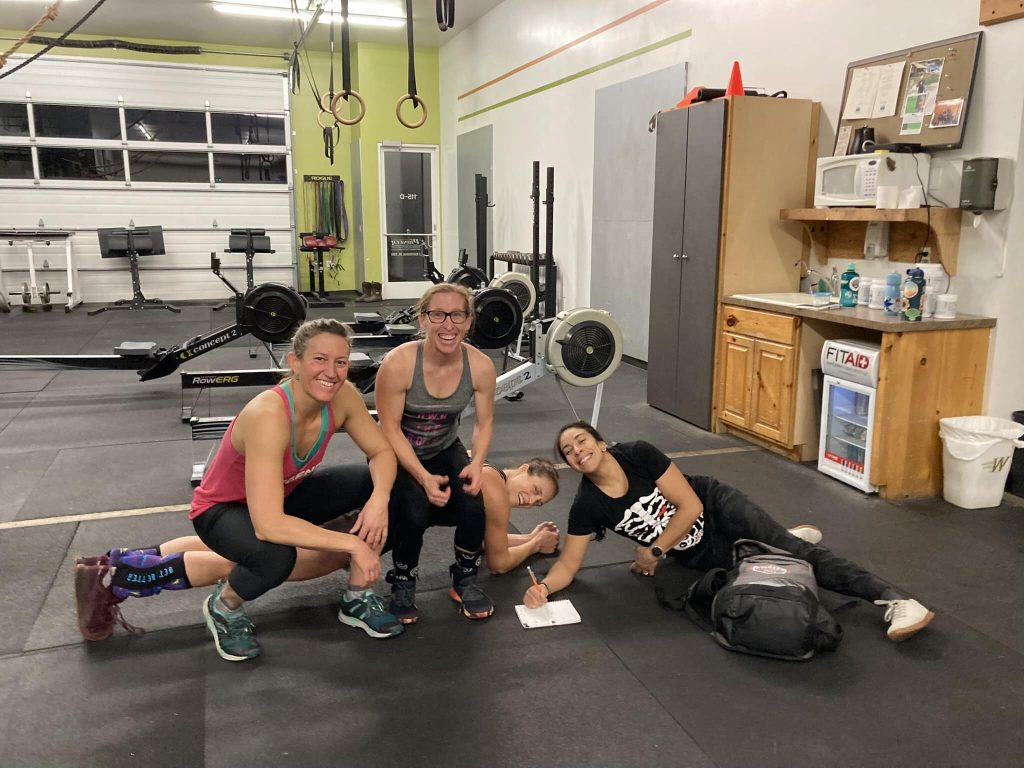
For those seeking movement-based wellness, CrossFit Acclivity offers functional fitness classes that build strength, stamina, and community. Certified coaches lead scalable workouts designed to help participants of all levels push limits safely and effectively.
RDH Endurance Training
www.rdhendurancetraining.comRDH Endurance Training specializes in personalized coaching for athletes and outdoor enthusiasts. Whether you’re preparing for ski season, a trail race, or simply want to improve fitness, the studio’s performance programs combine individualized training plans with recovery and mobility guidance.
Finding Your Own Path to Wellness
In McCall, wellness isn’t confined to studios or spas — whether your version of self-care means stretching, soaking, meditating, or moving, you’ll find a way to fill your cup here.
The science is clear: when you care for your body and calm your mind, everything else starts to flow a little easier. But what makes wellness in McCall truly special is how naturally it fits into daily life. The mountains, the people, and the pace here all invite you to slow down, breathe deeply, and reconnect — with yourself, with nature, and with others.
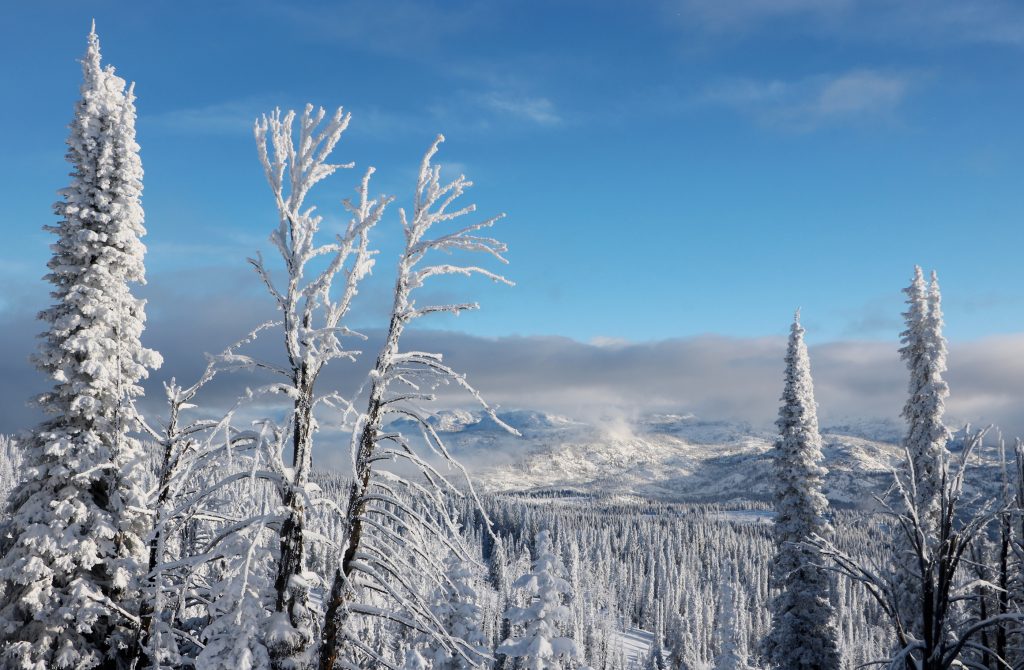
No matter where you begin — on the mat, in the gym, or in the stillness of a snowy forest — McCall offers endless ways to restore balance and rediscover what it means to feel well.